Fashion Modeling: The Handwritten Font for Modern Branding
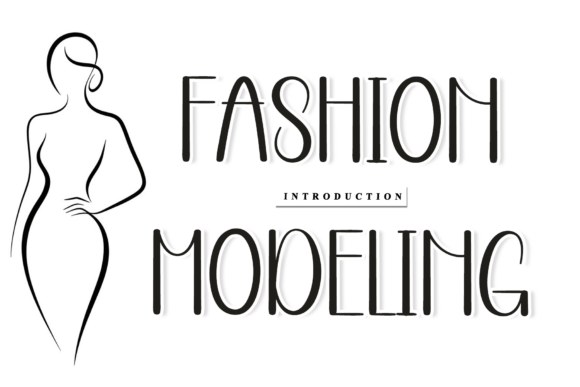
In the crowded landscape of digital design, the right typography can be the singular element that transforms a forgettable layout into a memorable experience. Fashion Modeling, a lovely and timeless handwritten font, offers that distinct edge, serving as the best choice for creating eye-catching logos, branding, and quotes. Every letter in this typeface carries a unique and beautiful touch, designed to make your design come alive with personality and elegance.
The Role of Typography in Visual Communication
Typography is not merely about legibility; it is a critical component of visual hierarchy and emotional resonance. In modern graphic design, a font acts as the voice of your content. While sans-serifs convey clean, corporate stability, a handwritten script like Fashion Modeling introduces warmth, authenticity, and a human element. This is essential for brands looking to bridge the gap between digital automation and genuine connection. By integrating high-quality creative assets into your workflow, you elevate the user experience and ensure your message is not just read, but felt.
Practical Applications for Fashion Modeling
The versatility of a well-crafted script font allows it to shine across various media. Whether you are working on a comprehensive brand identity or a single social media graphic, Fashion Modeling provides the necessary flair to capture attention. Its fluid lines and distinct character make it adaptable for numerous creative projects:
- Branding and Logo Design: A logo is the face of a business. Using this font creates an immediate association with elegance and bespoke quality, perfect for lifestyle brands, boutiques, and creative agencies.
- Marketing Materials: From digital marketing emails to printed brochures, using distinct typography helps highlight key value propositions and calls to action.
- Social Media Content: In a fast-scrolling environment, the unique curves of Fashion Modeling stop the thumb. It is ideal for Instagram quotes, Pinterest graphics, and Facebook headers that require a personal touch.
- Web Design and UI: While body text requires high legibility, headings and hero sections benefit greatly from decorative fonts. It adds a layer of visual interest that enhances the overall aesthetic of the site.
- Packaging and Editorial Design: For product packaging, this font suggests artisanal quality. In editorial design, it works beautifully for pull quotes and magazine headers, adding a sophisticated rhythm to the layout.
Integrating Design Assets Effectively
Simply downloading a font is only the first step; integrating it effectively requires a strategic approach to visual design. To maximize the impact of Fashion Modeling, consider how it interacts with your existing design elements, such as your color palette and imagery.
When selecting typography, prioritize scalability and compatibility. A handwritten font should remain legible whether it is displayed on a large billboard or a small mobile screen. Ensure that the aesthetic of the font aligns with your audience's expectations. For example, a luxury brand might use Fashion Modeling in a muted gold against a dark background to emphasize premium quality, whereas a wedding planner might use soft pastels to evoke romance.
Tips for a Professional Presentation
To maintain a polished and professional result, balance is key. Because Fashion Modeling is expressive, it pairs best with clean, neutral sans-serif fonts for body text. This contrast ensures readability while allowing the handwritten font to serve as a focal point.
- Establish Hierarchy: Use the font exclusively for headlines or accent text to maintain its impact. Overusing a script font can clutter the visual hierarchy.
- Check Spacing: Handwritten fonts often require manual adjustment to kerning (letter spacing) to ensure the flow of text feels natural rather than forced.
- Context Matters: Always view the font in the context of the final product. A typeface that looks beautiful in a design tool must still function within the constraints of the medium, be it web, print, or merchandise.
Ultimately, the goal of any design project is to communicate a message with clarity and style. By thoughtfully incorporating quality typography like Fashion Modeling, designers and creators can significantly improve their visual storytelling. It is these deliberate choices in creative assets that distinguish a standard layout from a compelling brand narrative, ensuring that every visual touchpoint reinforces the brand's identity and engages the viewer on an emotional level.